Urban rental management in Toronto means running a rental unit inside a downtown condo or purpose-built high-rise, where the building itself, not just the tenant, sets the rules. It covers tenant sourcing and screening, move coordination through a building’s booking system and freight elevator, maintenance dispatch that respects concierge and security hours, rent collection, and lease renewals, all timed around the condo corporation’s own calendar. Certus currently manages urban units in four downtown buildings, from Liberty Village to the Bay Street Corridor.
A house or a townhome rental answers to the owner and the tenant. A downtown condo rental answers to a third party as well: the condo corporation. Every high-rise building runs its own rulebook covering move-in and move-out windows, elevator bookings, visitor parking, noise hours, and which contractors are allowed past the front desk without a status certificate or a certificate of insurance on file. Urban rental management is the practice of running a tenancy inside that rulebook without the owner having to learn it themselves.
That distinction matters more in Toronto than in most Canadian cities, because so much of the city’s rental stock sits in high-rise towers rather than low-rise houses. An owner who buys a condo as an investment and self-manages it is usually blindsided by the building side of the job long before the tenant side causes any trouble: a missed elevator booking window, a status certificate request the property manager needs before a contractor can be scheduled, or a visitor parking rule the tenant did not know existed.
None of that is unique to one building. It repeats across every downtown tower, just with a different concierge desk, a different booking portal, and a different set of house rules attached. An owner who manages one condo learns one building’s system. An owner who manages several learns that the system itself, not any single building’s version of it, is the actual job.
In practice, the work breaks into six recurring pieces:
The two are not the same job wearing different addresses. A few of the differences show up on nearly every file:
| Aspect | Urban (condo or high-rise) | Suburban (house or townhome) |
|---|---|---|
| Building access | Concierge, security desk, and elevator booking control every visit | Owner or manager has direct, unscheduled access |
| Move logistics | Booked in advance through the building, often weekdays only | Flexible, arranged directly with the tenant |
| Rules that apply | Ontario lease plus the condo corporation’s own bylaws | Ontario lease only |
| Typical tenant | Young professionals, corporate relocations, short-term corporate stays | Families, longer average tenancies |
| Turnover pace | Faster, tracks downtown job mobility | Slower, more stable |
None of that makes urban management harder in an absolute sense. It makes it a different set of relationships to maintain: the tenant, the owner, and the building.
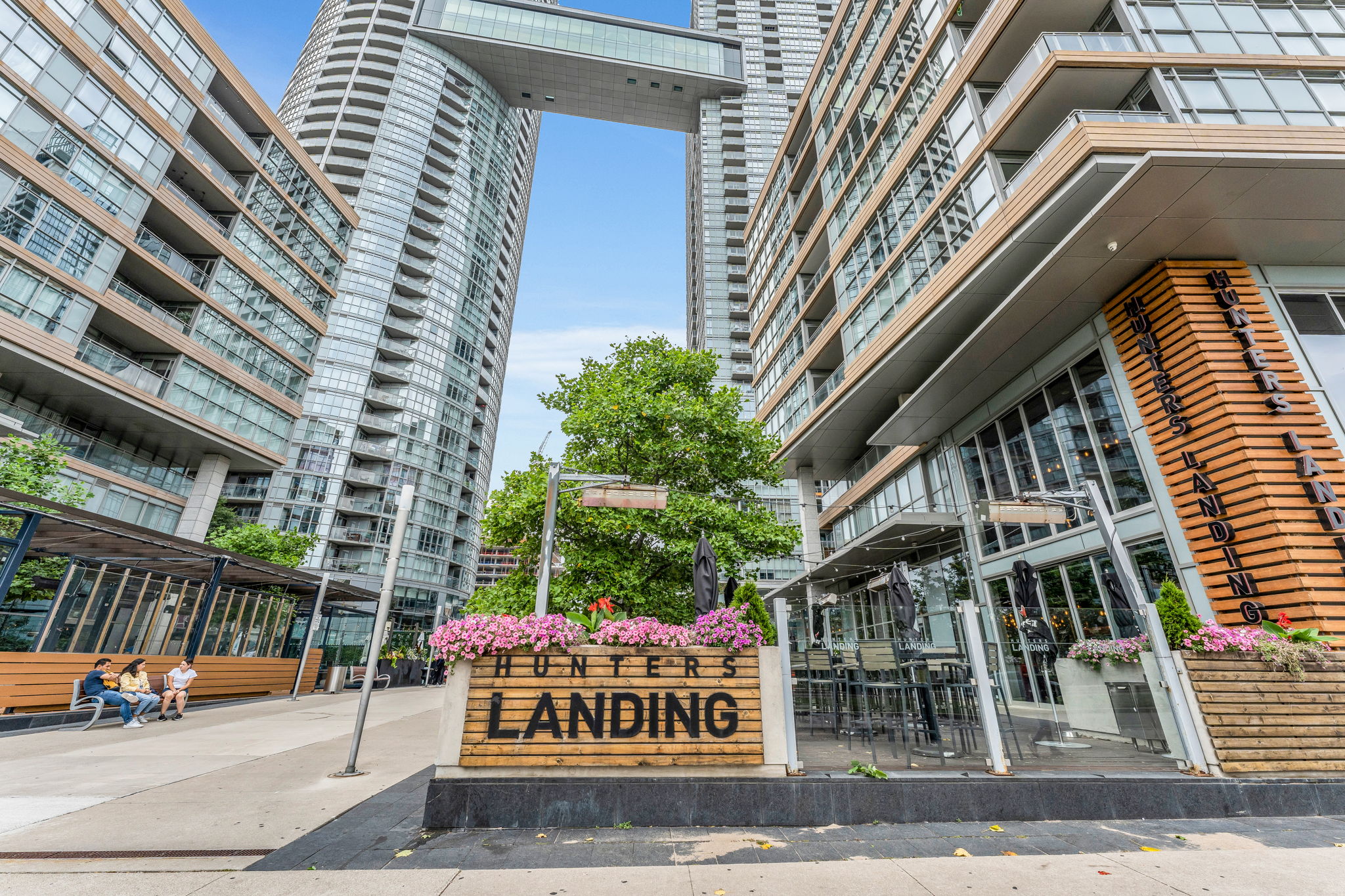
Certus manages urban units in four downtown buildings today: 80 Western Battery Rd in Liberty Village, 15 Iceboat Terrace in CityPlace, 224 King St W in the Entertainment District’s Theatre Park, and 955 Bay St in the Bay Street Corridor. Each building has its own booking system, its own concierge team, and its own move-in paperwork, which is exactly the layer an owner does not want to be learning from scratch on move-in day.
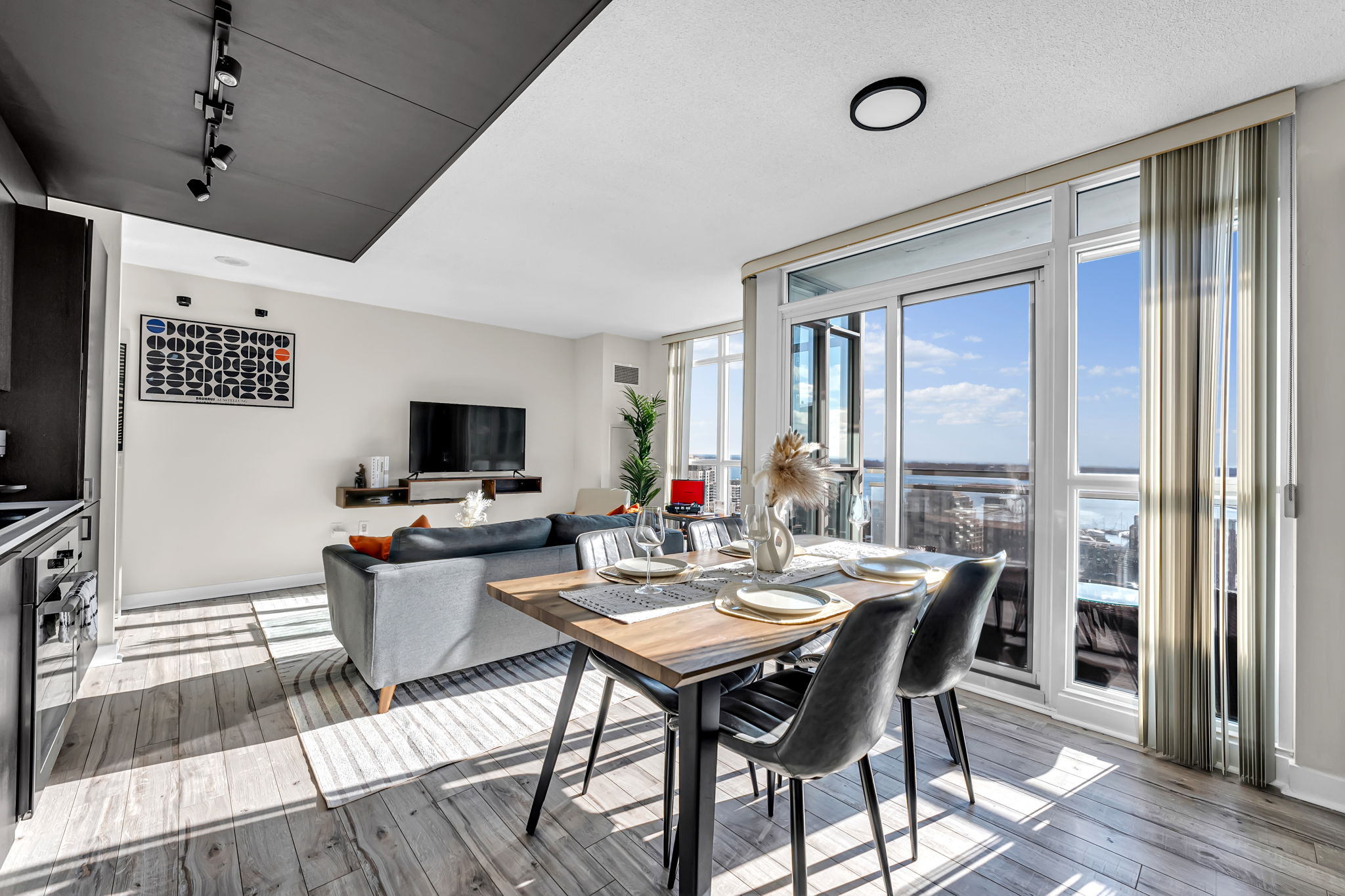
“Urban real estate rentals” is the broader version of the same question, and it usually means an owner comparing a downtown condo against a house or a suburban rental as an investment, not just choosing a manager. Toronto carries one of the largest concentrations of purpose-built rental and condo-investment stock of any Canadian city, most of it inside the downtown core and the neighbourhoods that ring it. That density is what makes urban rental management its own discipline rather than a smaller version of the suburban job: more buildings, more condo boards, more booking systems, and a tenant pool that moves for work on a shorter cycle than a typical house tenant.
Certus manages rentals across Toronto, North York, Etobicoke, Scarborough, Mississauga, Vaughan, Richmond Hill, and Oakville, with the urban, high-rise side of that portfolio concentrated in the downtown core. An owner deciding between a downtown condo and a house rental should weigh that access difference, not just the purchase price, before assuming both properties can run the same way.
For a closer look at how Certus prices and structures ongoing management, see our pricing page. Owners weighing a downtown unit against a longer-term hold sometimes start with long-term rental management before deciding whether their unit fits a corporate or short-term model instead, covered on our corporate rental management page. Either way, the building-side work described above does not go away: it just changes which lease term it is attached to.
The practical question for most owners is not whether their unit is technically urban, but whether the building it sits in runs on a booking system, a concierge desk, and a condo board. If it does, that building is the third party in every decision about the tenancy, and a management approach that ignores it eventually runs into it anyway, usually on move-in day.
It covers tenant sourcing, lease administration under both the Ontario lease and the condo corporation’s bylaws, move coordination through the building’s booking system, maintenance dispatch, rent collection, and renewals. The building adds a layer of rules a house rental never has.
A condo rental has to work around a third party, the condo corporation, which controls elevator bookings, move windows, and contractor access. A house rental answers only to the owner and the tenant.
Downtown high-rise neighbourhoods like Liberty Village, CityPlace, the Entertainment District, and the Bay Street Corridor are where Certus currently manages urban units. These are dense, condo-heavy areas with their own building rules rather than detached-home streets.
Both. Downtown units skew toward furnished and corporate-ready setups because that is what the tenant pool in those buildings expects, but Certus manages long-term unfurnished urban rentals on the same buildings’ terms.
Reach out through the contact page with the building and unit details, and Certus will confirm whether the building is one we already operate in or a new one to set up. Existing buildings move faster since the booking systems and concierge relationships are already in place.
If your rental sits inside a Toronto condo or high-rise and you are tired of learning the building’s rules the hard way, talk to Certus.
Talk to Certus