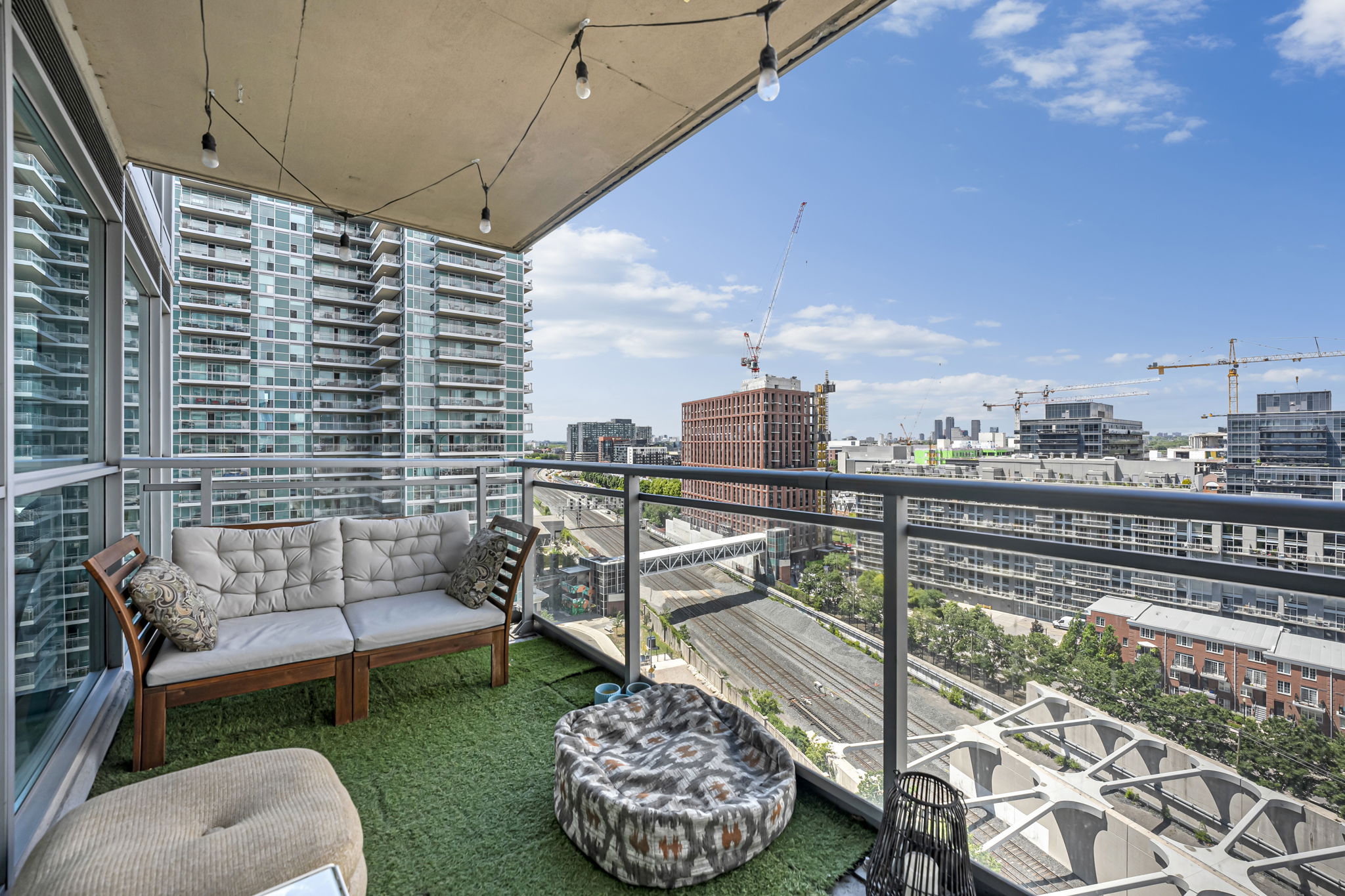
Boutique property management in Toronto has nothing to do with how upscale a unit is. It means the manager keeps a deliberately small portfolio so each property gets more attention: faster response, a familiar point of contact, and service built around the specific unit rather than a standardized script. The tradeoff is that boutique-style management is not automatically cheaper, and it is not the right fit for every owner.
The word gets used loosely, often to describe a property rather than a service. A boutique hotel is small and design-led. A boutique rental listing usually means a stylish, well-furnished unit. Neither has much to do with what a Toronto owner is actually shopping for when they search for boutique property management: not a description of the property, but a description of the manager’s business model.
A boutique-style manager caps how many units, buildings or guests one person or small team handles at a time, on purpose, even when taking on more work would be available. A generic large-volume manager scales the other way: more doors under management, more standardized workflows, and a support desk or ticketing system that routes a request to whoever is available rather than to someone who already knows the unit. Both models can be run competently. They are simply built to optimize for different things, and an owner who does not know which one they are hiring often finds out the difference the first time something goes wrong at 11 p.m.
The practical differences show up less in the sales pitch and more in the day-to-day handling of a property. This is where the two models actually diverge.
| Attribute | Boutique-Style Management | Generic Large-Volume Management |
|---|---|---|
| Portfolio size per manager | Small, deliberately capped | Large, scaled for volume |
| Point of contact | Usually one familiar manager | Whoever is available on the support desk |
| Knowledge of the unit | Manager has visited and knows its quirks | Relies on notes in a shared system |
| Response model | Direct, often same-day | Ticketed, queued by priority |
| Service approach | Adjusted per property | Standardized workflow across all units |
| Best fit | Owners who want to be known, not just processed | Owners prioritizing scale and the lowest available fee |
The honest case for boutique-style management is not that it is inherently better. It is that a smaller number of properties per manager changes what is actually possible day to day. A manager handling a dozen units can visit one within the hour when a tenant reports no heat. A manager handling several hundred is routing that same report through a queue, and the person who eventually calls back may never have set foot in the building.
That difference compounds for anything that is not a simple, scriptable request: a heritage building with an unusual boiler, a condo board with its own move-in rules, a furnished unit where the owner cares which cleaner touches the furniture. A boutique-style manager can hold that context in one person’s head. A large-volume operation has to write it down and hope the note gets read before the next visit.
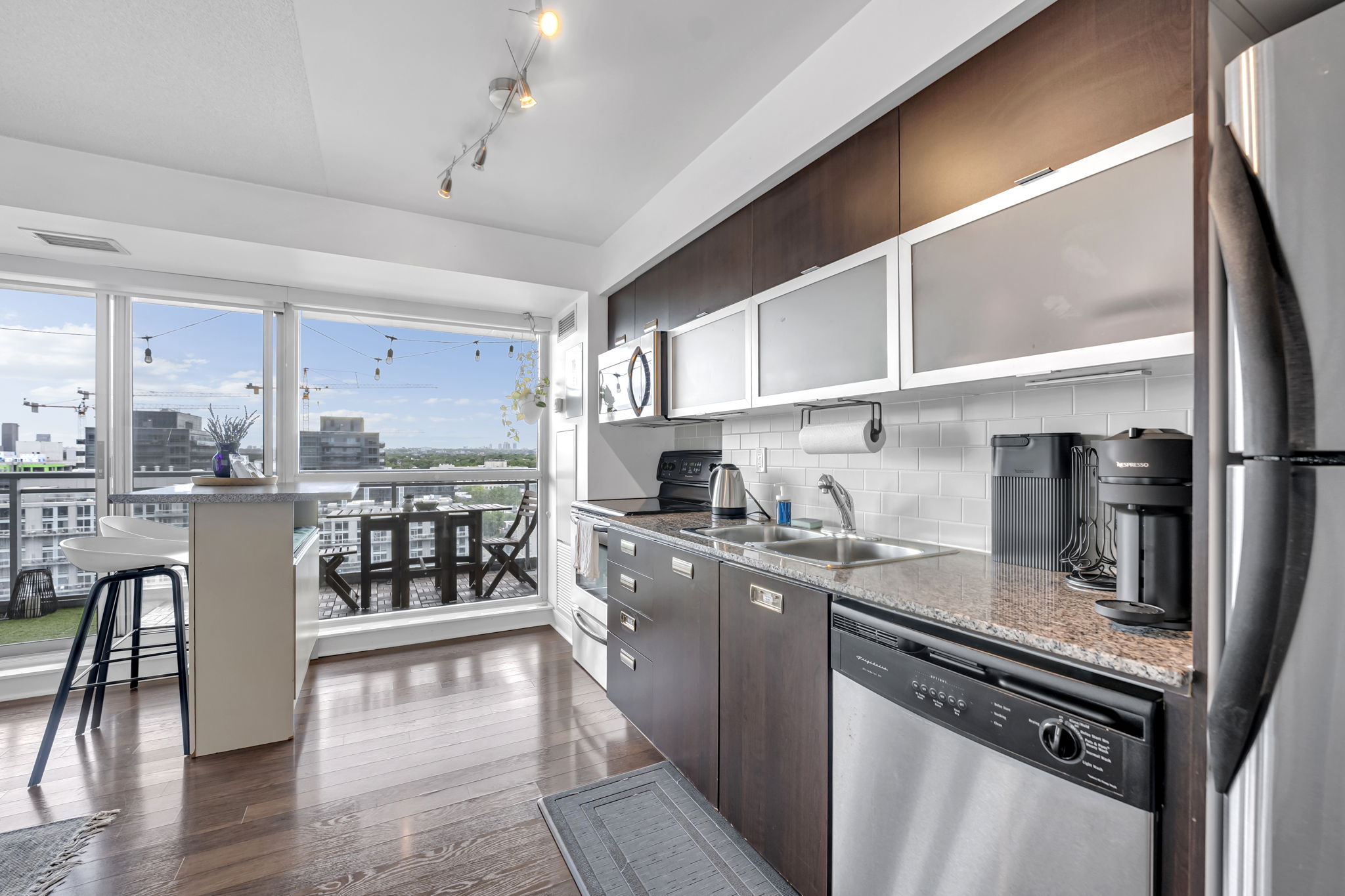
Boutique-style management tends to suit a specific kind of owner rather than every owner. It fits someone with one or two properties, often furnished or executive-grade units, who wants a manager they can reach directly and who expects the same standard whether the property is rented short-term to guests or long-term to a tenant. It also fits an owner who has been burned once already by a management company that felt like a call centre: responsive when signing the contract, harder to reach once the unit was actually rented.
It suits Toronto owners across North York, Etobicoke, Scarborough, Mississauga, Vaughan, Richmond Hill and Oakville just as much as it does downtown, since the value of the model is the relationship, not the neighbourhood. It is less likely to suit an owner with a large multi-building portfolio who is mainly optimizing for the lowest management fee across every door, where a standardized, high-volume operation’s economics of scale can matter more than individual attention.
Boutique-style management is not automatically the cheaper option, and any pitch that claims it beats large-volume management for every owner is selling, not informing. For short-term and furnished bookings, Certus prices in tiers from 10 to 20 percent per booking depending on the service level, a similar range to what larger firms quote; long-term tenancies are typically quoted separately from those booking-based tiers. Either way, the fee structure is rarely where the two models mainly differ. The real cost of boutique-style management is that the manager deliberately turns away scale to protect service quality, which is why it is not the model every company chooses to run. An owner paying for it is paying for that discipline, not for a lower number on the invoice. See the full breakdown on the pricing page.
The reverse tradeoff is real too. An owner who only needs a lease signed and rent collected, with minimal day-to-day involvement expected, may get everything they need from a larger, more standardized operation, and pay less for it. Boutique-style management earns its premium when the property or the tenant relationship actually needs the attention, not as a default for every rental.
The word boutique appears on a lot of property management websites that manage hundreds of doors through the same ticketing system as their competitors. A few direct questions cut through the label faster than the marketing copy does: how many properties does my actual point of contact manage personally, will I speak to the same person each time, and has that person physically visited this unit. An owner considering either a short-term rental or a long-term lease should ask the same three questions regardless of which term the company uses to describe itself.
Certus runs a boutique-style model by design, capping how many boutique rental properties one manager carries so that response time and unit-specific knowledge stay intact as the portfolio grows.
Not necessarily. For short-term and furnished bookings, Certus prices in the same 10 to 20 percent per-booking range larger firms quote, so the fee itself is rarely where the two models differ. The real difference is in portfolio size per manager and how quickly a request gets a response.
It describes the manager’s business model, not the unit: a deliberately small, capped number of properties per manager instead of a large volume spread across a standardized support system. A modest apartment under boutique-style management and a luxury condo under a large-volume manager both exist.
It applies to both. The model is about how many properties one manager handles and how well they know each one, which matters whether the property is rented nightly to guests or leased to a long-term tenant.
Ask how many properties your actual point of contact manages personally, whether you will reach the same person each time, and whether they have visited the unit. A company that cannot answer specifically is using boutique as a label, not a practice.
No. It suits an owner who wants a familiar point of contact and unit-specific attention, particularly for furnished or executive-grade properties. An owner mainly optimizing for the lowest fee across a large multi-property portfolio may be better served by a larger, standardized operation.
Wondering whether a boutique-style manager fits your property?
Talk to Certus